Season of Creation Continues!
The wider world of God’s creation is woven throughout our liturgical year, and we make sure to emphasize those roots every September with a five-week mini-season. This observance has become nearly as important in this parish as Christmas and Easter! See the liturgical notes below for more details on these activities:
- Sunday worship: 8:30 a.m. (inside); 10:!5 (outdoor sanctuary, weather permitting)
- Communal Art Project: September 12, 9:00 a.m. (placing Stations of Creation around the campus)
- Documentary Screening: September 19, 3:00 p.m.Stations of Creation: September 26 (9:00 a.m.) and October 3 (3:00 p.m.)
- Blessing of Animals: Sunday morning, October 4, 10:15 a.m.
- Harvest Festival: Sunday afternoon, October 4, 3:00 p.m.
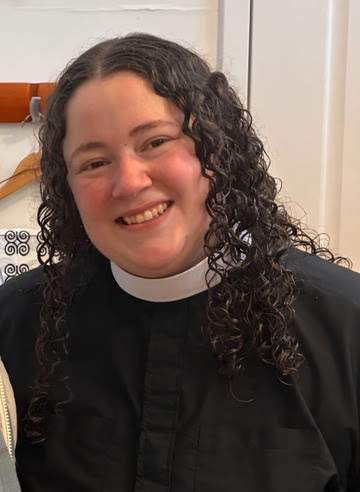
Thank you, Rebekah!
We have been so blessed to have the Rev. Deacon Rebekah Taylor among us this summer! As we expected, she has received a call to serve her own parish, and this Sunday, September 13, will be her last one with us–and she’s preaching! We will offer our prayers of gratitude and blessing at both liturgies on Sunday.
Learn, Grow, Commit
Whether you are brand new to The Episcopal Church, a lifelong member, or just want to learn more, please stop by the Rectory this Sunday afternoon, September 13 (4:30 — 6:00 p.m.), for some refreshments and a brief review from the Rector on Anglican traditions and life in this parish. This is the perfect path toward making a public commitment to All Saints’ Parish on All Saints’ Day, November 1.
Prayerful Farewell to the Rectory Oak
One of the two large oak trees near the Rectory’s front door, was struck by lightning roughly seven years ago and has been struggling ever since. She will be coming down on Wednesday, September 16, and Fr. Jay will offer prayers for her and gratitude for her witness in that spot, which she has offered for a very long time, indeed. Join Jay for that prayerful farewell on Tuesday, September 15, at 10:00 a.m.
Meet and Greet Bishop Candidates!
There are a number of opportunities, both in-person and online, to hear from the four candidates for our first bishop diocesan here in the Diocese of the Great Lakes! The resumes and information about each candidate can be found on our diocesan website (www.greatlakesepiscopal.org) and by clicking on the button below, you can see the dates and locations for each gathering to hear from the candidates (please register to attend!).
Lost and then Found in Translation:
Wrestling with Language for a Religion of Life
Rector’s Reflections
The Rev. Dr. Jay Emerson Johnson
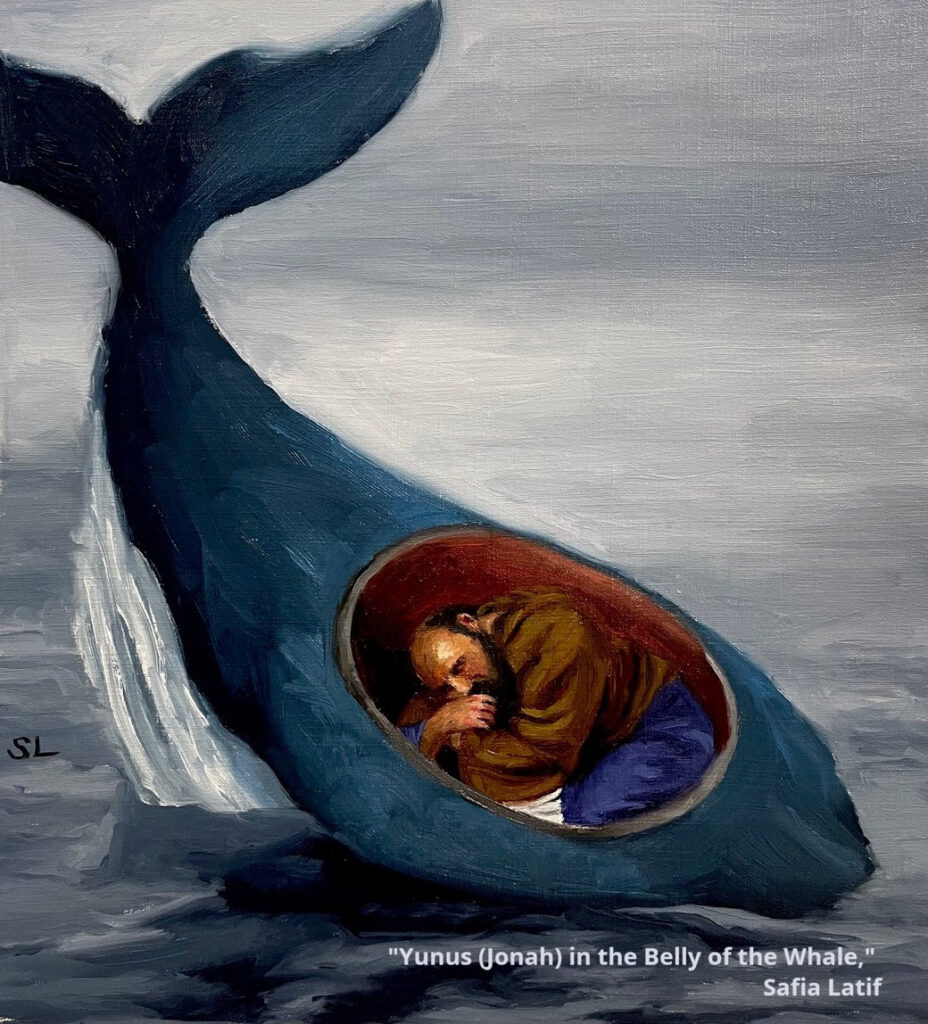
Quite a lot gets lost in translation across cultures and history. Even trying to understand someone today who speaks another language, from German to Mandarin, can be challenging since language carries all sorts of cultural codes we may not recognize. Trying to do this with ancient languages increases that challenge exponentially. The work of translating the Bible from either Hebrew or Greek is always a work of interpretation, not least because the ancient versions of those languages can differ dramatically from their modern versions. A host of other factors, whether cultural, economic, political, or religious, which run throughout every language, also present ongoing puzzles and perplexities for translators. Sometimes those quandaries yield fresh insights—we aren’t always lost in translation, but we can sometimes find something new and invigorating in that work. I would suggest that this struggle with language is part and parcel of the larger (as well as arduous and vigorous) engagements we have with religion more generally.
All of this came to mind this past week concerning the First Nations Version of the Gospel passage we used in worship on Sunday. Deacon Rebekah raised with me a concern she had about the moniker used for the Pharisees in that text, for which the indigenous translators used “Separated Ones.” We should recall in that regard that the devout religious leaders of ancient Israel referred to as “Pharisees” are a frequent target of criticism and even ridicule in Christian history, not least because of the ongoing conflict the Gospel writers portray between the Pharisees and Jesus. That conflict has too often fueled a posture of Christian superiority and, sadly, it has informed even violent moments of Christian anti-Semitism. Referring to Pharisees as “separated ones” in a Gospel passage could easily reinforce that posture of prejudice and discrimination. As Rebekah noted, without any further context, how do we understand the notion of being separate? From what exactly are they or have they been “separated”—the Gospel? The possibility of salvation? True religion? God?
Having done some research on both the First Nations Version and also the original Hebrew and Greek, it turns out that the Greek word “pharisee” derives from an Aramaic verb that means to “divide and separate,” referring to those who live as separatists; a pharisee is thus quite literally “one who is separated.” The religious implication here is the obligation of piety to live righteously by keeping oneself unstained by sin, and therefore to separate oneself from sinners—to keep oneself pure, in other words. And this helps to explain why the Pharisees so often complained about Jesus eating with “tax collectors and sinners,” the very ones with which a genuine religious leader ought not to associate. (I find the First Nations Version, and the process followed to create it, quite moving indeed. Click on the button below to learn more about it!)
I confess: I have at times in my life, in my preaching and teaching, used Pharisees as a convenient scapegoat for what’s wrong with religious zealotry or as a counter example to what a “true religion” of grace really looks like. It is fairly easy, after all, to suppose that denigrating others is the only way to feel better about myself. But spending some time these last few days reflecting on that powerful translation for Pharisees as “separated ones,” I started to feel a great deal of empathy for them, recognizing in them my own longing to “do religion correctly,” and my ongoing commitment to honoring the traditions I have inherited, and, frankly, my passion for God (which is not, shall we say, always the most welcome energy for cocktail parties). Sometimes we ourselves are found in the arduous work of translation, even when we didn’t realize we had been lost!
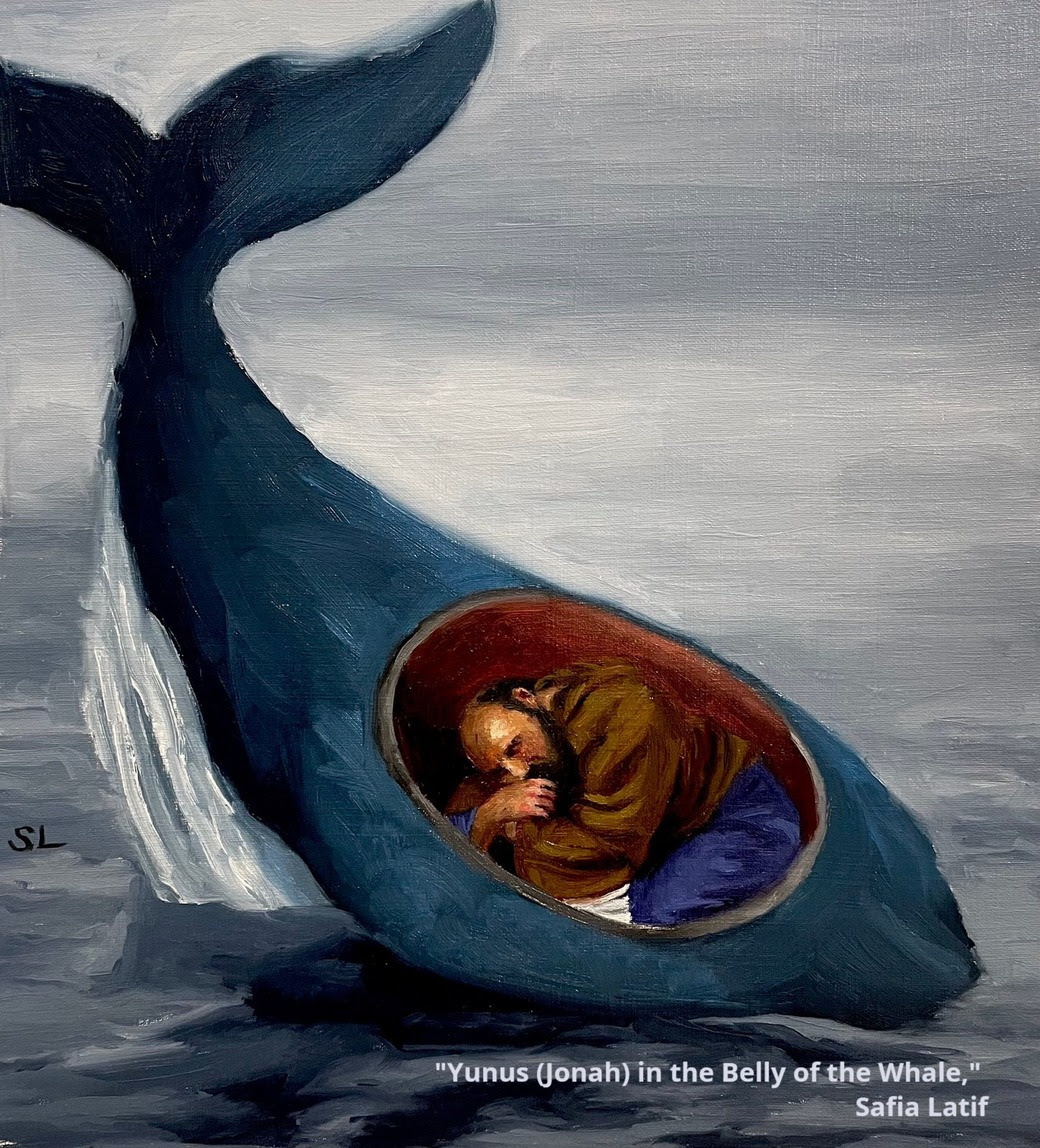
We will hear another Gospel passage this coming Sunday that includes Pharisees, and it’s one of those encounters of conflict between them and Jesus. The Pharisees are demanding a “sign” from Jesus, some tangible evidence to back up his otherwise radical teaching—and don’t we want signs, too? Aren’t we eager for reassurance that we’ve chosen the right path? Shouldn’t we be wary about tossing aside our convictions without sufficient cause? This passage from Matthew’s account of the Gospel, moreover, includes the rather curious allegory of Jonah and the whale. Matthew’s Jesus is inviting his religious kinfolk to think of his upcoming death, not as utter tragedy, but more like Jonah’s sojourn in the belly of a great fish—his burial will be like that, in the “womb of the earth,” a time and place of preparation for new birth. It’s a wonderfully religious image for Earth herself, especially in this Season of Creation and for this week’s theme: Land.
Given all that, rather than using the First Nations term for the Pharisees this week, we will instead refer to them as “spiritual leaders,” and I would invite us to think of them as our companions and religious kinfolk on this good road toward healing and flourishing. We are, all of us, in every religious tradition and along every spiritual path, seeking a way forward into the abundant life God intends for all. I don’t mean that the journey itself has no standards, or that everyone’s commitments are equally beneficial for all, or that we shouldn’t hold each other accountable for behaviors that might harm others. But I do mean that the Gospel itself invites us to treat our own convictions with humility, and to tread lightly on the path with others, and to recall as best we can, and as I noted in my sermon this past Sunday, that we are indeed, all of us, relatives.
The Art of Faith
Planted here along the “Arts Coast” of Michigan, All Saints’ Parish turns often to the visual, literary, and performing arts as resources for our lives of faith and to enhance our social impact for a better world. As creatures made in the image of our Creator, art itself is sacred and making art reflects the divine imprint on each of us. This section of our weekly newsletter features art and artists for our shared ministry.
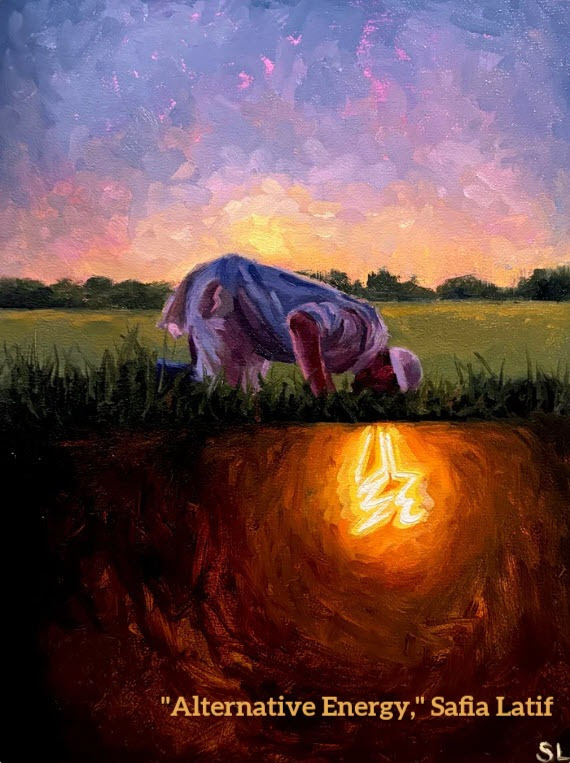
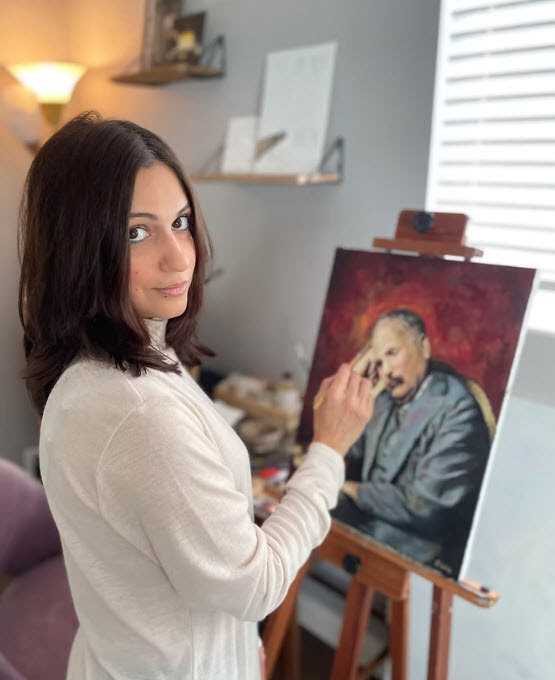
Featured Visual Artist: Safia Latif
This week’s image accompanying the Rector’s Reflections comes from Safia Latif, an American oil painter based in California. Born to a Pakistani father and Jewish-American mother, Latif draws inspiration from her heritage and Islamic traditions. Specializing in “Islamic magical realism” and “Islamicate impressionism,” her intricate paintings explore spirituality, melancholia, and religious life, often featuring Islamic architectural elements and vivid colors. Holding a master’s degree in Middle Eastern Studies, Latif incorporates Islamic history to bridge historical and contemporary art.
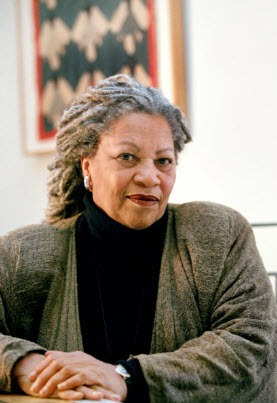
Featured Literary Artist: Toni Morrison
Morrison’s novels are breathtaking and heartbreaking all at once. She writes from her deep roots in the American Black community with characters and themes that speak powerfully to anyone who struggles with belonging, identity, a sense of self, and the seeming impossible task of resisting systems of oppression. Regardless of the system, Morrison notes, “this is precisely the time when artists go to work. There is no time for despair, no place for self-pity, no need for silence, no room for fear. We speak, we write, we do language. That is how civilizations heal.”
Click here to watch an excerpt from an interview with Morrison on the motivation for writing.
Eucharistic Formation:
Notes for Worship and Life from Fr. Jay
for the Season of Creation
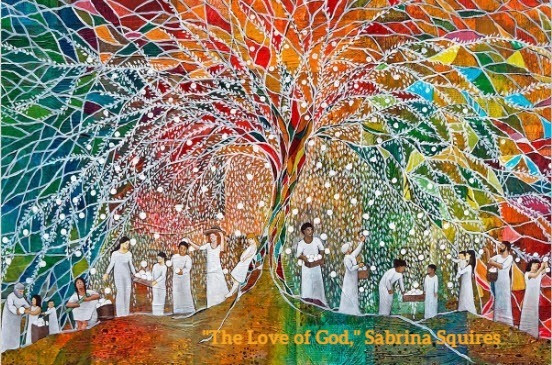
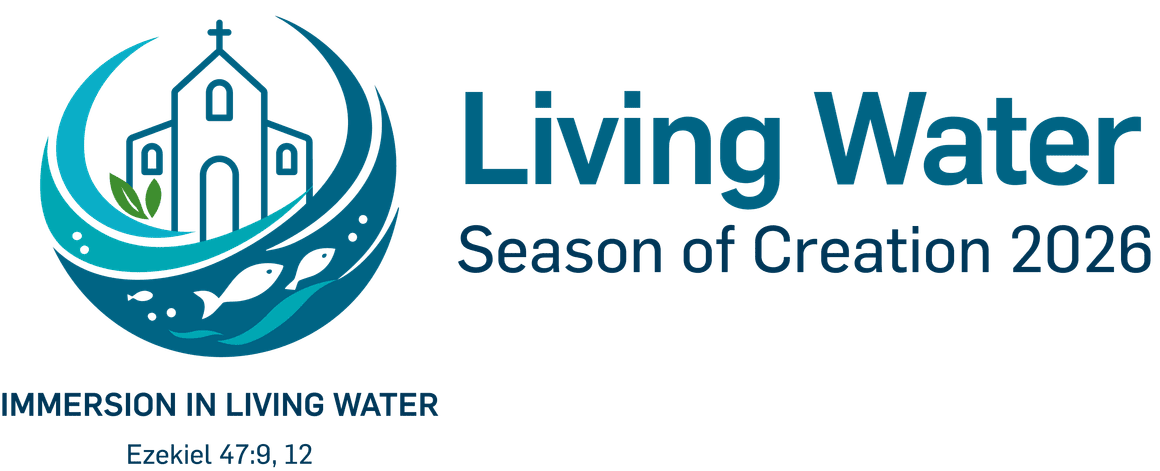
The Season of Creation (September 1—October 4) is celebrated by Christians around the world as a time for renewing, repairing, and restoring our relationship with God, with each other, and with all of God’s creation. The Episcopal Church participates in this international effort of prayer and action for climate justice and to advance ecological healing and renewal. This year’s theme is Living Water, which the international Steering Committee articulated based on a passage from the ancient Hebrew prophet Ezekiel (47:9, 12). That passage uses water as a powerful image of hope and ecological healing, and the symbol for this year depicts water flowing from the Temple of God, bringing life and restoring fertility to damaged or barren ecosystems.
Observing the Season of Creation in this parish has become nearly as important as Christmas and Easter! And rightly so—the incarnation of Jesus and his resurrection from the dead point us toward the divine renewal of the whole creation itself!
- We make every effort to worship in our outside sanctuary under the tents at the 10:15 liturgy, but the weather is not always cooperative. Watch for the Saturday evening email for confirmation of our location!
- The special lectionary texts for this season will return this year to four themes: Forest, Land, Wilderness, and River, and these are wonderful images for our shared reflection here along the shores of the Kalamazoo River and the shoreline of Lake Michigan!
- We are praying with some lovely liturgical texts developed by The Episcopal Church and the Church of England, including a Eucharistic prayer that invites explicit mention of our own ecological context here in western Michigan. We will use the First Nations Version of the Gospel passages on Sunday mornings (to remind us of the insights we must embrace from our indigenous neighbors for ecological renewal); the “Profession of Faith” in our worship will frame our foundational Christian belief with images drawn directly from the wider world of God’s creation; and a “Celtic” version of the Lord’s Prayer at 10:15 will evoke rich strands of insights and texts from various parts of Christian traditions that emphasis our rootedness in Earth.
- The Stations of Creation is a contemporary, ecological version of the “Stations of the Cross,” a spiritual discipline of marking prayerfully by walking from one station to another. We began working on a collective art project to make our own Stations of Creation last Saturday and we will place them around campus on Saturday morning, September 12.
- A screening of the award-winning documentary film “Common Ground” on Saturday afternoon, September 19 at 3:00 p.m. will introduce us to practices of “regenerative farming” and also ways to heal our partisan divisions for the sake of the common good. (Click HERE to view the trailer for this film.)
- On Friday evening, September 25, we will host a fundraiser with live music and food for Wishbone Pet Rescue and Animal Shelter (located in Douglas)—a wonderful way in this season to support our canine and feline companions.
- For the annual Harvest Festival on October 4, please bring to the church some of these items for the migrant farm workers here in southwest Michigan: Dry pinto beans and dry black beans, white rice, bar soap, toothbrushes and toothpaste, sunglasses, sunscreen, shampoo (no conditioner), men’s t-shirts in sizes small, medium, and large, men’s long-sleeved shirts and hooded sweatshirts.
Please let us know how we may pray for you—concerns as well as celebrations—and other requests you may have as we strengthen our bonds of care and compassion with each other here in Western Michigan and with those around the world in need of prayer.
Prayer Requests
- The United States of America—for a restoration of peace and for a renewed commitment to the common good; for an end to systemic racism and violence; for social and economic justice; for a courageous engagement with ecological renewal and healing.
- For an end to violence and a lasting peace with justice throughout the world—in the Middle East (especially in Iran, the nations of the Gulf region, and still also Gaza and the West Bank), and in Ukraine.
- The leadership bodies of this Diocese of the Great Lakes, and for ongoing discernment in the process toward electing our first bishop.
- The mission and shared ministry of this parish, for pastoral insight and ministerial discernment for the clergy and lay leaders, especially the Vestry and our various Ministry Teams.
- Katelyn, for comfort and healing.
- Mary Saba, for resilience and courage.
- Frank Lindsay, for healing.
- Sky and Dale Ann Suydam, for resilience and courage.
- Kevin Martin, for healing and renewed strength.
- Susan Gaunt, for renewed strength and healing.
- Ruth Vanden Bosch, for resilience and healing.
- Win Ryder, for healing and resilience.
Birthdays – September
Kevin Burt 9/10, Larry Engel 9/17, Steve Williford 9/22, Laura Godfrey 9/24, Bob Godfrey 9/25, Jay Johnson 9/27, David VanderLaan 9/28
Wedding Anniversaries – September
Dave and Kitty Beecken 9/6, Bruce and Carol Schock 9/28, David and Deborah Gillespie 9/30
All Saints’ Parish belongs to the Diocese of the Great Lakes, part of The Episcopal Church in the United States, a province of the worldwide Anglican Communion of 85 million members. Anglican Christians trace our roots to the sixteenth-century reformation of the Church of England, praying and serving together with The Book of Common Prayer.