“Well, He’s no Saint!”
Embracing God’s Call to a Saintly Life
Rector’s Reflections
The Rev. Dr. Jay Emerson Johnson
It sounds a bit old fashioned these days, but some people will still say it: “well, she’s certainly no saint!” It’s a shorthand form of critique, perhaps, or it might be a way to signal disapproval of someone’s behavior, or their relationships, or overall way of life. The irony, of course, is that such a view of sainthood has virtually nothing to do with how the concept is used in the Christian Testament of the Bible, or what the theology behind a saintly life really entails. Perhaps even more ironic, given what we know about the history of “saints” in Christian traditions, many of them lived fairly eccentric lives or just were not very pleasant people to be around. They were often quite abrasive, short-tempered, impatient with injustice, or sometimes so “differently attuned” to the divine presence vibrating all around them that they were hardly able to converse like “normal” people. Personally, I have grown to admire the apostle Paul over the years (even as I struggle with some of his writings), but I cannot imagine enjoying a dinner party with him over the course of a whole evening.
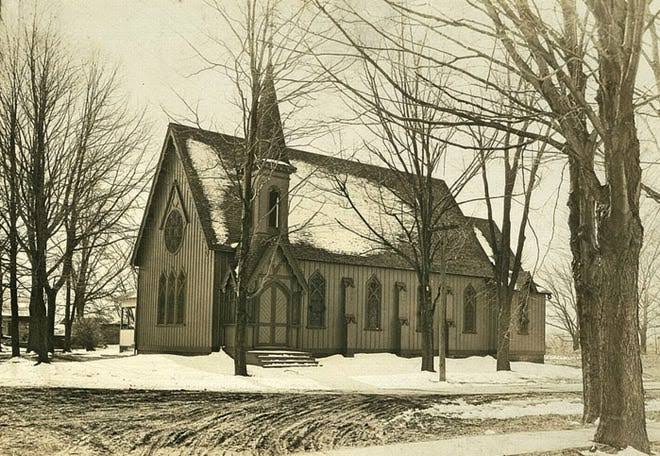 This coming weekend marks a powerful moment on the calendar, a time when we celebrate that vast Communion of Saints far too many to number; a time when some consider the “veil” between the living and the dead is the thinnest; and of course a time when we observe the founding of this parish 158 years ago. The first worship service conducted along this shoreline region for Episcopalians was in 1862, and a congregation was officially organized on All Saints’ Day in 1868, with funds quickly raised after that to build a sanctuary here in 1871. The architectural heritage, the legacy of Anglican traditions of worship and service, and a long list of notable figures here in western Michigan all combine for a wonderful anniversary weekend!
As we prayerfully celebrate on Sunday, I would also urge us to let go of the idea that we ourselves are not somehow “good enough” to be considered “saints.” Something much more important is at stake as we celebrate our “Feast of Title” in this parish. Sainthood is not something we earn; living as a saint is a calling from God to all of us. God calls each of us into a transformative relationship with God in Christ through the power of the Holy Spirit so that we can bear witness to the Gospel by the way we live. Indeed, our weekly worship is meant to form us in precisely that way, to live every more fully as the saints God has called us to be.
Let’s recall how the Apostle Paul uses the term, and his opening salutation to the Ephesians is a great example: “Paul, an apostle of Christ Jesus by the will of God, to the saints in Ephesus, the faithful in Christ Jesus” (1:1). Paul consistently refers to all Christians in the communities to which he writes as saints—not just the “special” or “heroic” ones. The Greek word here is hagios, and the conceptual background for this word is similar to the Latin-based verb “to consecrate”: both suggest being set apart for a particular purpose. To the surprise of many, nothing about this term implies an elevated status because of outstanding moral character. Or as one commentator has concisely put it, saints are “set apart” not “set above.” Certain expectations attach to a saintly life, to be sure, but it’s a life that one grows into over time rather than obtaining it like an award for notable achievements. Consider, for example, the opening verses of Paul’s letter to the Romans: “Paul, a servant of Jesus Christ…set apart for the gospel of God. … To all God’s beloved in Rome, who are called to be saints”—called, in other words, just like he is, to be set apart.
Needless to say, Paul can sometimes become cranky in his letters (he was not, even on the best of days, a cuddly figure). His agitation in those moments emerges from his enduring conviction that we ourselves bear a “saintly” responsibility to embody the Gospel of Jesus Christ, and indeed, to live as members of his own body in the world. This is the very means by which God makes divine love and grace known—through us, through the ones God calls and sets apart for precisely this purpose, the ones Paul calls saints.
With all of this in mind, we approach this wonderful weekend remembering all the many saintly ones who have come before us. We do this because they remind us so powerfully by their own lives—not flawless, or perfectly virtuous lives, but remarkably ordinary, often deeply wounded lives—what it looks like to live as a beacon of Gospel hope and healing. We do that ourselves in our individual lives, but I would say it’s even more significant to engage with this calling collectively, to realize that God is calling all of us in this parish to live more fully as a community of saints, and to fashion our shared ministry in such a way that the world around us can see evidence of a community set apart to “promote justice, peace, and love” (as the Prayer Book Catechism declares). This communal effort of shared witness is especially suitable for a parish that is named not for just one, or even two or three notable saints, but is rather dedicated to all the saints of God, those still living and those now alive to God in ways we can scarcely imagine.
May we find ourselves both inspired and equipped on All Saints’ Day 2026 to fashion our life together as a vibrant witness to the never-failing love of God in Christ, and likewise emboldened by that Great Cloud of Witnesses who accompany us on this good road toward thriving and flourishing.
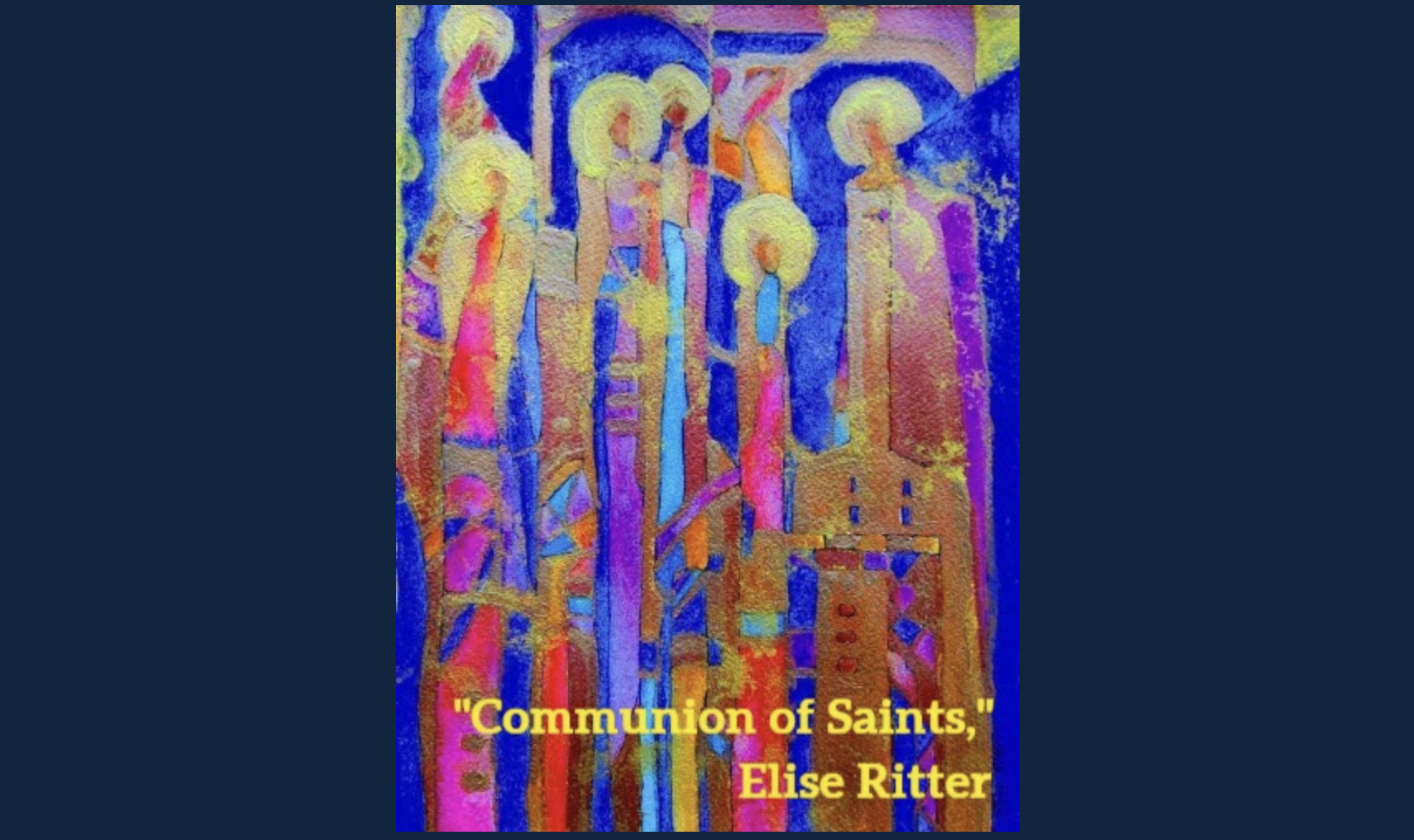
Featured Visual Artist: Elise Ritter
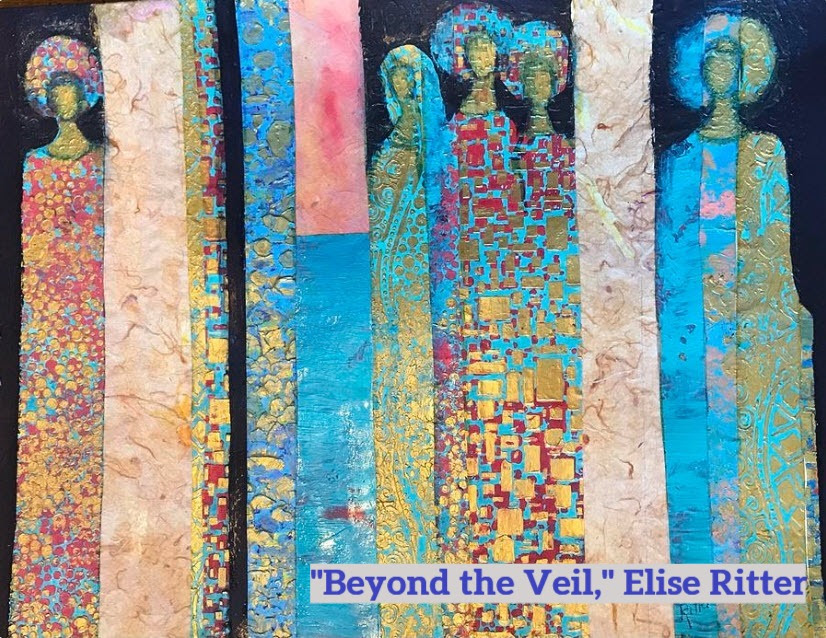 Elise Ritter is an award-winning watercolor and mixed media artist, a juried member of the Potomac Valley Watercolorists, a group of top watercolor artists in the Washington DC region. “My art,” she says, “reflects my love of luminous, jewel-toned color and the magical properties of light. ‘Spiritual Landscapes’ or ‘Landscapes of Memory’ are what I call my paintings. I try to capture a special moment, and elicit an emotional and interactive reaction from the viewer. The various influences on my work include stained glass windows in cathedrals, gold-accented Symbolist art from Vienna, and religious icons. Overall, I believe in the healing properties of beauty and creation, resulting in transcendence. As Irish mystic John O’Donohue wrote, ‘When we experience the Beautiful, there is a sense of homecoming. We feel most alive in the presence of the Beautiful for it meets the needs of our soul.’”